Infrastructure solutions
Reliable digital asset operations are assembled from networks, access controls, monitoring, cooling, power distribution and documented human procedures. This guide examines the relationships between those layers without presenting operational performance as a promise.
Iridia treats infrastructure as a system of dependencies. A server may be capable on paper and still be unsuitable when connectivity, heat removal, maintenance access or recovery procedures are not documented.
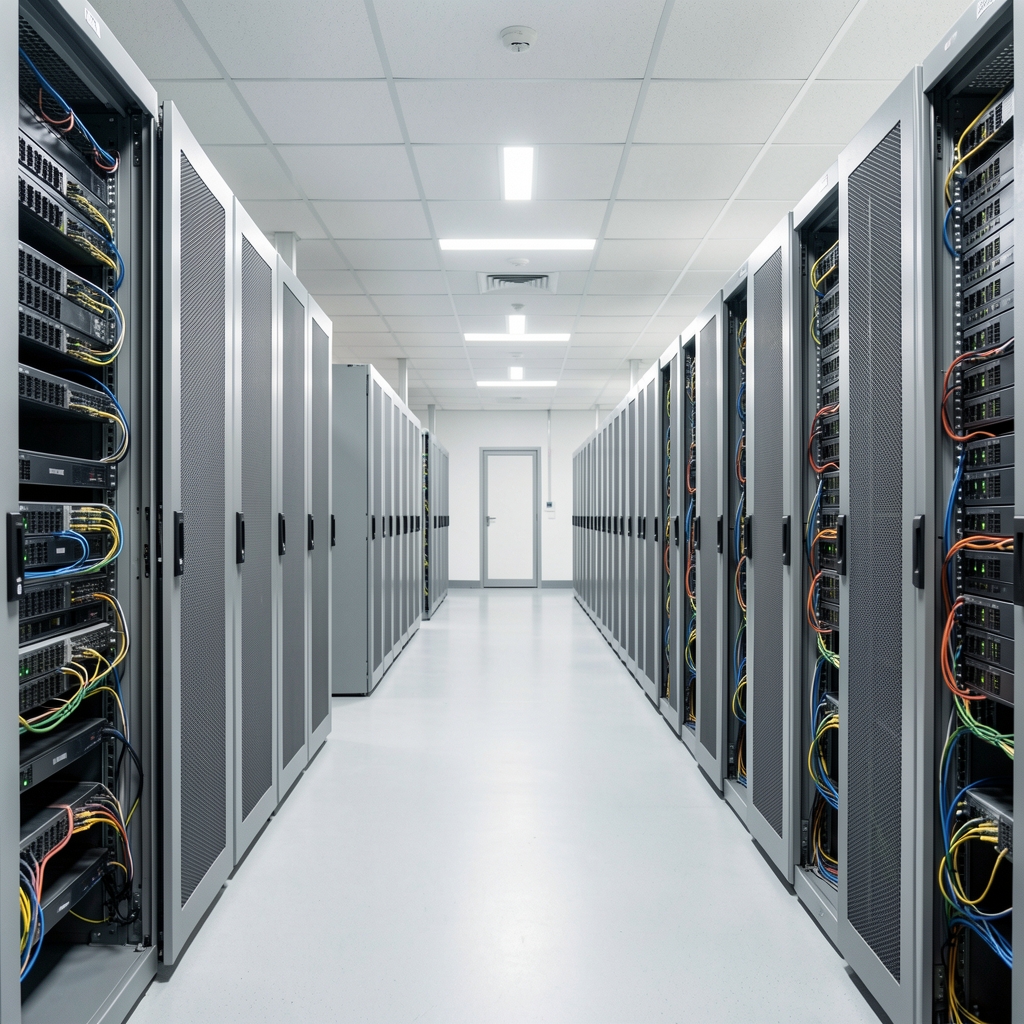
Reference architecture
A reference architecture is a discussion tool. It helps an operator ask what is measured, who is responsible, how often a condition is reviewed and what happens when an expected value changes.
| Domain | Control to document | Review cadence |
|---|---|---|
| Connectivity | Redundant links and alert thresholds | Monthly |
| Physical access | Visitor records and key management | Per event |
| Observability | Temperature, uptime and incident logs | Continuous |
| Recovery | Backups, spare parts and tested procedures | Quarterly |
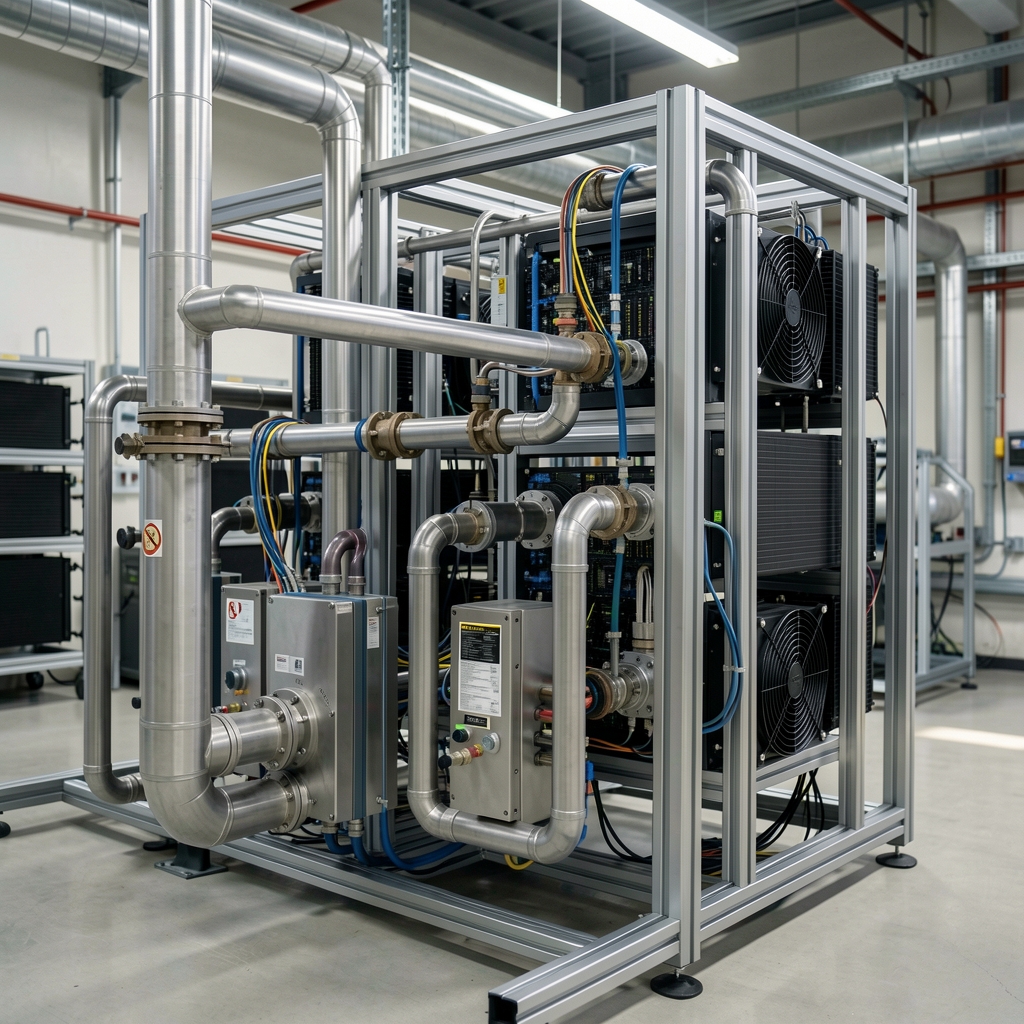
Infrastructure review checklist
- Record the location, access rules, equipment inventory and responsible contact.
- Map network paths, power distribution, cooling zones and monitoring points.
- Define what constitutes an incident and who receives the first notification.
- Keep recovery instructions available when the primary monitoring system is unavailable.
- Review supplier dependencies, replacement lead times and maintenance windows.
These checks are useful for a small test room as well as a larger facility. The appropriate level of documentation depends on the scale, local requirements and operational risk.
From components to accountable operations
- Observe: collect temperature, power, connectivity and access information.
- Interpret: compare observations with agreed thresholds and operating notes.
- Escalate: route unusual conditions to a named person with enough context to act.
- Review: record the event, the response and any change to the runbook.
“Infrastructure becomes understandable when every important signal has an owner, a threshold and a documented response.”
People remain part of the system
Runbooks, escalation contacts, shift handovers and post-incident reviews turn infrastructure from a collection of components into an accountable operation. A procedure should explain not only what to do during normal conditions, but also how to pause work safely when information is incomplete.
Iridia publishes this material for learning and general information. It is not financial advice, an engineering certification or a substitute for local compliance review.